
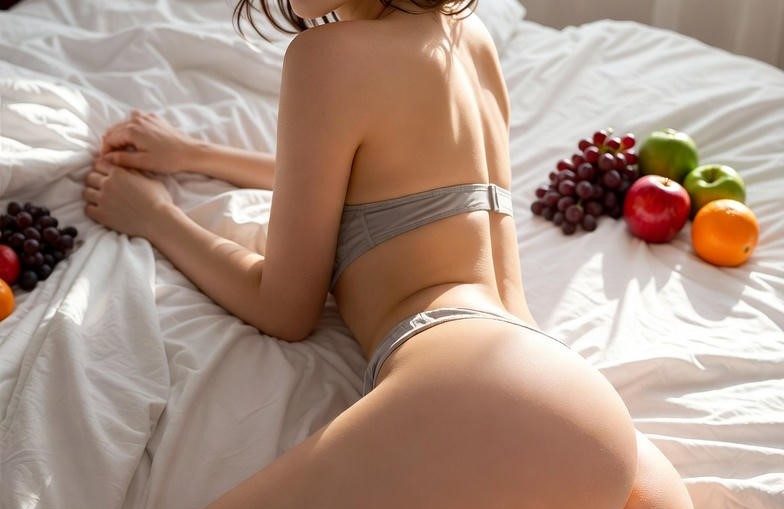
The intersection of AI-powered 3D modeling and photorealistic AI art has revolutionized how we create immersive digital experiences. Among the most advanced applications of these technologies is the emergence of AI scene generators capable of producing hyper-realistic adult content with stunning detail and authenticity. Whether you’re a creator looking to push the boundaries of synthetic media generation or a professional seeking AI-driven visual effects for high-end projects‚ these tools are changing the landscape of digital content creation.
What Makes an AI Adult Scene Generator Truly Realistic?
The most sophisticated AI scene generators leverage multiple cutting-edge techniques to achieve photorealism‚ including:
- Generative Adversarial Networks (GANs) that analyze and synthesize ultra-detailed textures and surfaces.
- Neural Radiance Fields (NeRF) for volumetric rendering that captures depth and lighting with unprecedented accuracy.
- Deep learning-based rendering that simulates complex lighting‚ shadows‚ and reflections in real time.
- Procedural content generation for dynamically creating environments that feel organic and lifelike.
- Realistic texture synthesis that mimics the imperfections of real-world materials.
Together‚ these technologies enable the creation of photorealistic AI-generated scenes that blur the line between digital and reality.
How AI Scene Generators Work: A Step-by-Step Breakdown
Modern AI scene generators operate through a multi-stage process that combines machine learning in CGI with advanced computational techniques. Here’s how it typically works:
- Prompt Analysis: The user provides detailed textual prompts describing the desired scene‚ including lighting‚ textures‚ and poses. The AI interprets these instructions using natural language processing (NLP) and computer vision for rendering to understand the creative intent.
- Scene Composition: The AI generates a hyper-realistic scene composition by synthesizing elements from vast training datasets. Techniques like neural scene reconstruction and AI-generated 3D assets ensure spatial accuracy and depth.
- Texture and Material Synthesis: Using deep learning-based texture mapping‚ the AI creates highly detailed surfaces that mimic real-world materials‚ from skin textures to fabric weaves. Realistic human synthesis ensures lifelike proportions and anatomical accuracy.
- Lighting and Rendering: Dynamic lighting simulation and volumetric rendering techniques are applied to create realistic shadows‚ reflections‚ and ambient light. This stage often employs AI-assisted animation to ensure smooth transitions and natural movement.
- Post-Processing: The final output undergoes AI-enhanced VFX pipelines to refine details‚ adjust colors‚ and enhance overall realism. Tools like neural style transfer can also be applied to match specific artistic styles while maintaining high fidelity.
Applications of AI Adult Scene Generators
The versatility of AI-generated cinematic scenes extends across multiple industries‚ offering transformative possibilities:
Film and Entertainment
Filmmakers and animators use AI-generated virtual production tools to create photorealistic AI-generated scenes for movies‚ TV shows‚ and virtual reality experiences. These tools enable:
- Virtual cinematography with AI-driven camera movements and framing.
- Synthetic media for filmmaking that reduces production costs while maintaining high quality.
- AI-generated virtual sets for film and television‚ allowing for limitless creative possibilities.
- Deepfake realism in post-production‚ though always used ethically and transparently;
Gaming and Virtual Reality
Game developers leverage AI-generated synthetic environments to populate vast‚ dynamic worlds with photorealistic AI-generated landscapes and characters. Benefits include:
- Procedural AI-generated worlds that adapt to player actions in real time.
- AI-generated product visualization for in-game assets and virtual marketplaces.
- Synthetic media for gaming that enhances immersion without the need for extensive manual modeling.
Advertising and Marketing
Brands use AI-generated fashion visuals and photorealistic AI portraits to create eye-catching ads and promotional content. This includes:
- AI-generated virtual backgrounds for product shoots.
- Synthetic media for advertising that allows for rapid iteration and A/B testing.
- AI-generated interior designs for virtual showrooms and real estate marketing.
Virtual Production and Augmented Reality
Professionals in virtual production use AI-generated virtual sets for film to create realistic environments for live-action shoots. This is particularly useful for:
- AI-enhanced virtual production pipelines that integrate digital and physical elements seamlessly.
- Synthetic media for AR/VR applications‚ such as virtual tours and interactive experiences.
- AI-generated architectural walkthroughs for real estate and design industries.
Training and Simulation
Organizations use synthetic media for training simulations to create realistic scenarios for education‚ military training‚ and medical simulations. Examples include:
- AI-generated virtual environments for safe‚ repeatable training exercises.
- Photorealistic AI-generated assets that mimic real-world conditions.
- Synthetic data augmentation to improve the performance of AI models in various fields.
Why Choose an AI Scene Generator for Your Projects?
For creators and professionals‚ AI-powered scene generation offers several compelling advantages over traditional methods:
Unmatched Speed and Efficiency
Traditional 3D modeling and CGI can take weeks or even months to complete. With AI-generated 3D assets‚ you can produce high-quality scenes in a fraction of the time. The procedural content generation capabilities mean that entire environments can be created dynamically‚ reducing manual labor.
Hyper-Realistic Results
The combination of deep learning in 3D graphics and neural rendering algorithms ensures that every detail—from skin textures to fabric folds—is rendered with astonishing accuracy. Techniques like neural texture mapping and volumetric rendering contribute to an unparalleled level of realism.
Cost-Effective Solutions
For studios and individuals‚ AI-driven asset creation eliminates the need for expensive hardware or large teams of artists. The synthetic media generation process reduces costs associated with physical sets‚ props‚ and location scouting.
Endless Creative Possibilities
With AI-assisted concept art and AI-generated architectural visualizations‚ you’re no longer limited by the constraints of reality. Whether you’re designing a futuristic cityscape or a historical reenactment‚ the AI-powered digital twin creation tools allow you to explore ideas that would be impossible to achieve with traditional methods.
Seamless Integration with Existing Workflows
Modern AI-powered digital content creation platforms are designed to integrate smoothly with existing software like Blender‚ Unreal Engine‚ and Autodesk Maya. This makes it easier to incorporate AI-generated elements into larger projects without disrupting your workflow.
How to Get Started with AI Scene Generation
Ready to explore the possibilities of AI-generated cinematic scenes? Here’s how you can begin:
- Upload Your Reference Material: Start by uploading high-quality images or videos that serve as references for your scene. The more detailed and varied your references‚ the better the AI can synthesize realistic results.
- Define Your Prompts: Clearly articulate the elements you want in your scene—characters‚ lighting‚ textures‚ and any specific details. The more precise your prompts‚ the closer the AI-generated output will match your vision.
- Experiment with Different Styles: Play with various artistic styles‚ from photorealistic AI landscapes to more abstract or stylized interpretations. Many AI tools allow you to adjust parameters like lighting‚ color grading‚ and depth of field.
- Iterate and Refine: Use the AI’s feedback and rendering tools to make adjustments. Many platforms support neural scene editing‚ allowing you to tweak elements like poses‚ expressions‚ and environmental details in real time.
- Export and Integrate: Once you’re satisfied with your AI-generated virtual backgrounds or scenes‚ export them in high-resolution formats like PNG‚ JPEG‚ or even 3D file formats like OBJ or FBX for use in your projects.
Tips for Optimal Results
- Use high-resolution references to ensure the AI has enough detail to work with.
- Combine textual prompts with visual references for the best results.
- Experiment with different AI models to find the one that best suits your project’s needs.
- Leverage AI-assisted motion capture for dynamic scenes involving movement.
- Stay updated on advancements in deep learning for visual effects to take full advantage of the latest features.
Ethical Considerations and Best Practices
While AI-generated synthetic scenes offer incredible creative freedom‚ it’s essential to approach their use responsibly. Here are some key considerations:
- Transparency: Clearly disclose when AI-generated content is used‚ especially in professional or commercial contexts. This builds trust with your audience and maintains ethical standards.
- Consent and Privacy: Avoid creating or using AI-generated content that involves real individuals without their consent‚ particularly in sensitive or personal contexts.
- Avoid Misuse: Do not use AI-generated scenes for deceptive or harmful purposes‚ such as creating deepfakes for fraud or manipulation. Always prioritize ethical use.
- Stay Informed: Keep up with developments in deepfake detection techniques and industry guidelines to ensure your use of AI aligns with best practices.
- Respect Copyright: Ensure that any references or assets you use as input for AI generation are legally permissible and do not infringe on intellectual property rights.
Try It Yourself: Experience the Power of AI Scene Generation
Ready to see what AI-powered digital content creation can do for your projects? Many platforms offer free trials or demo versions‚ allowing you to upload a photo and explore the possibilities firsthand. Here’s how you can get started:
- Upload Your Image: Start by uploading a photo that serves as the foundation for your AI-generated scene. This could be a portrait‚ landscape‚ or any other reference you’d like to transform.
- Provide a Detailed Prompt: Describe the scene you envision—whether it’s a romantic sunset‚ a futuristic cityscape‚ or a fantasy realm. The more detailed your description‚ the more accurate the AI’s output will be.
- Customize Your Scene: Use the tool’s interface to adjust elements like lighting‚ textures‚ and composition. Many platforms allow you to preview changes in real time.
- Generate and Refine: Let the AI work its magic and generate your scene. Review the results and make further adjustments as needed.
- Export and Share: Once you’re happy with the outcome‚ export your photorealistic AI-generated scenes and share them with the world or integrate them into your projects.
Whether you’re a filmmaker‚ game developer‚ marketer‚ or digital artist‚ AI-generated synthetic media opens up a world of creative possibilities. By harnessing the power of AI-driven synthetic scene composition‚ you can bring your most ambitious visions to life with unprecedented realism and efficiency;
Explore the future of digital creation with AI-powered scene generation—where imagination meets innovation.




Leave a Reply
You must be logged in to post a comment.