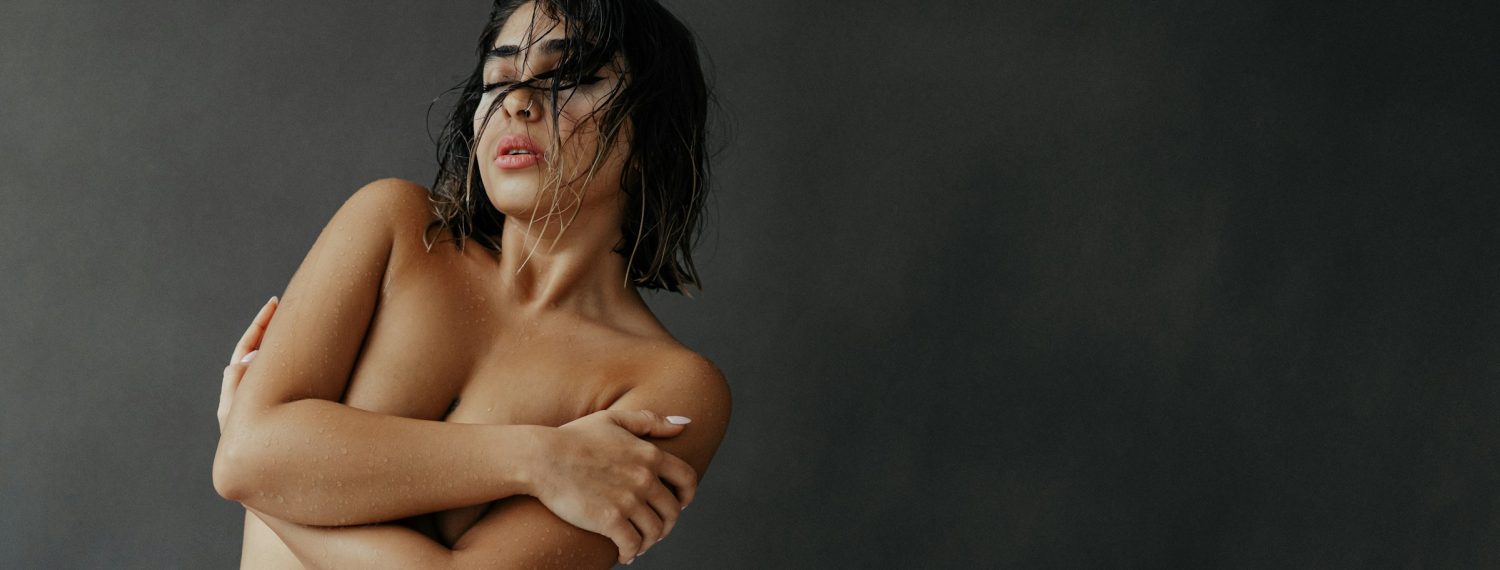
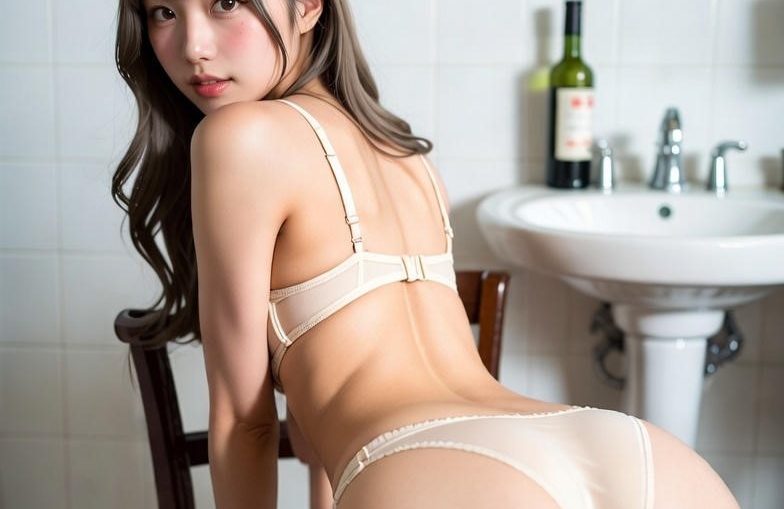
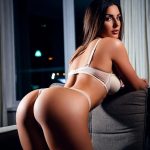
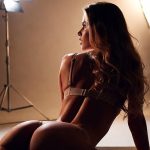
Boudoir photography is an art form that celebrates beauty, confidence, and sensuality through carefully curated visuals. With the rise of generative AI tools and AI-powered portrait generation, you can now create breathtaking AI-generated boudoir photography that rivals traditional studio work—all from the comfort of your own space. The key to unlocking this creative potential lies in mastering prompt engineering techniques and understanding how to leverage AI art workflows for boudoir aesthetic customization. Whether you’re a photographer looking to expand your creative toolkit, an artist exploring digital art creation, or simply someone who wants to experiment with stylized portrait rendering, this guide will walk you through the process of crafting stunning boudoir-themed visuals using AI.
Understanding the Power of AI in Boudoir Art Creation
The evolution of deep learning-based art has democratized the creation of high-end visuals. Today, AI-assisted photo editing and AI image synthesis allow you to generate hyperrealistic or highly stylized boudoir-inspired digital art with minimal effort. Unlike traditional photography, which requires physical setup, lighting, and post-processing, AI-generated boudoir artwork lets you focus on boudoir style prompts and boudoir aesthetic refinement—crafting the perfect mood, composition, and atmosphere without the constraints of a physical studio.
From boudoir fashion illustration to AI-generated fashion imagery, the possibilities are endless. You can experiment with neural style transfer to blend your reference images with artistic styles, or use AI-driven artistic direction to guide the AI toward creating the exact boudoir aesthetic you envision. The beauty of this process is that you can iterate quickly, testing different creative AI prompts until you achieve the desired result.
― Speed and efficiency: Generate multiple concepts in seconds.
― Endless creativity: Experiment with styles, lighting, and compositions without limits.
⎻ Cost-effective: No need for expensive studio sessions or professional photographers.
― Full artistic control: Refine every detail through prompt optimization strategies.
Crafting the Perfect Boudoir Style Prompts
The foundation of any great AI-generated artwork lies in the prompt. For boudoir-themed generative models, your prompt should be detailed, evocative, and specific to the aesthetic you’re aiming for. Here’s how to structure your boudoir style prompts for the best results:
- Define the subject and mood
Be explicit about the subject’s appearance, pose, and emotional tone. For example:
“A confident woman in a vintage 1920s boudoir pose, wearing a silk slip dress with lace trim, golden hour lighting, soft focus background, sensual yet elegant, hyperdetailed texture”. - Specify the style and artistic direction
Incorporate terms like “cinematic boudoir photography”, “moody digital painting”, or “art deco-inspired boudoir” to guide the AI toward a particular look. You can also mention specific artists or movements for inspiration, such as “in the style of Jean-Paul Goude with a modern twist”.
- Detail the composition and lighting
Describe the framing, angles, and lighting conditions. For instance:
“Low-angle shot with dramatic side lighting, soft bokeh in the background, skin tones rendered with ultra-realistic detail, subtle color grading for a warm, intimate glow”. - Include texture and material descriptions
Highlight fabrics, textures, and surfaces to enhance realism. Examples include:
“Silk dress with a slight sheen, delicate lace overlay, skin texture rendered with natural imperfections, gold accents reflecting light”. - Set the context and atmosphere
Paint a vivid picture of the setting. For example:
“A luxurious boudoir scene with antique mirrors, velvet curtains, and a vintage chandelier, evoking a sense of timeless elegance and sensuality”.
Example Prompt for AI-Generated Boudoir Artwork
“Ultra HD boudoir portrait of a woman in a modern lace corset, standing in a sunlit room with a large window casting golden light, soft diffused lighting with subtle shadows, hyperrealistic skin texture, intricate lace details, cinematic depth of field, mood: confident and alluring, inspired by contemporary fashion photography with a vintage touch, 8K resolution”
By refining your boudoir-themed generative models with precise prompts, you can guide the AI to produce results that align closely with your vision. The more specific you are, the closer the AI-generated output will be to your desired boudoir aesthetic customization.
Leveraging AI Art Workflows for Boudoir Creation
Once you’ve crafted your creative AI prompts, the next step is to integrate them into a seamless AI art workflow. Here’s how to maximize your results using AI-powered artistic control:
- Start with a reference image
Upload a photo of yourself or a model to serve as the base for your AI-generated artwork. This helps the AI understand the subject’s features, proportions, and unique characteristics. You can also use AI-assisted photo editing to enhance the reference before generation.
- Select the right generative AI tool
Different generative AI tools excel in various aspects of boudoir-inspired digital rendering. Some are better for hyperrealistic portraits, while others specialize in stylized or artistic interpretations. Experiment with tools that offer boudoir portrait AI models trained specifically for fashion and portrait generation.
- Iterate and refine with prompt adjustments
Begin with a broad prompt and gradually refine it based on the AI’s initial output. For example, if the lighting feels too harsh, adjust your prompt to include “soft, diffused lighting with a warm glow”. If the background lacks depth, specify “a dreamy, out-of-focus floral pattern in the background”.
- Use AI art fine-tuning
Many AI-powered portrait generation platforms allow you to fine-tune results in real-time. Adjust parameters like pose, expression, or background elements to perfect the composition; This is where prompt optimization strategies come into play—continuously tweaking your input to achieve the desired outcome.
- Combine techniques for enhanced results
For truly unique boudoir-inspired digital illustrations, combine multiple AI techniques. For instance:
- Use neural style transfer to apply an artistic filter to your AI-generated portrait.
- Layer AI-generated fashion sketches over your final image to create a hybrid digital and hand-drawn aesthetic.
- Generate multiple variations of the same prompt and blend them for a more dynamic final piece.
By treating your AI as a collaborative partner in the creative process, you can push the boundaries of boudoir-themed generative AI to create truly one-of-a-kind artwork.
Leave a Reply
You must be logged in to post a comment.