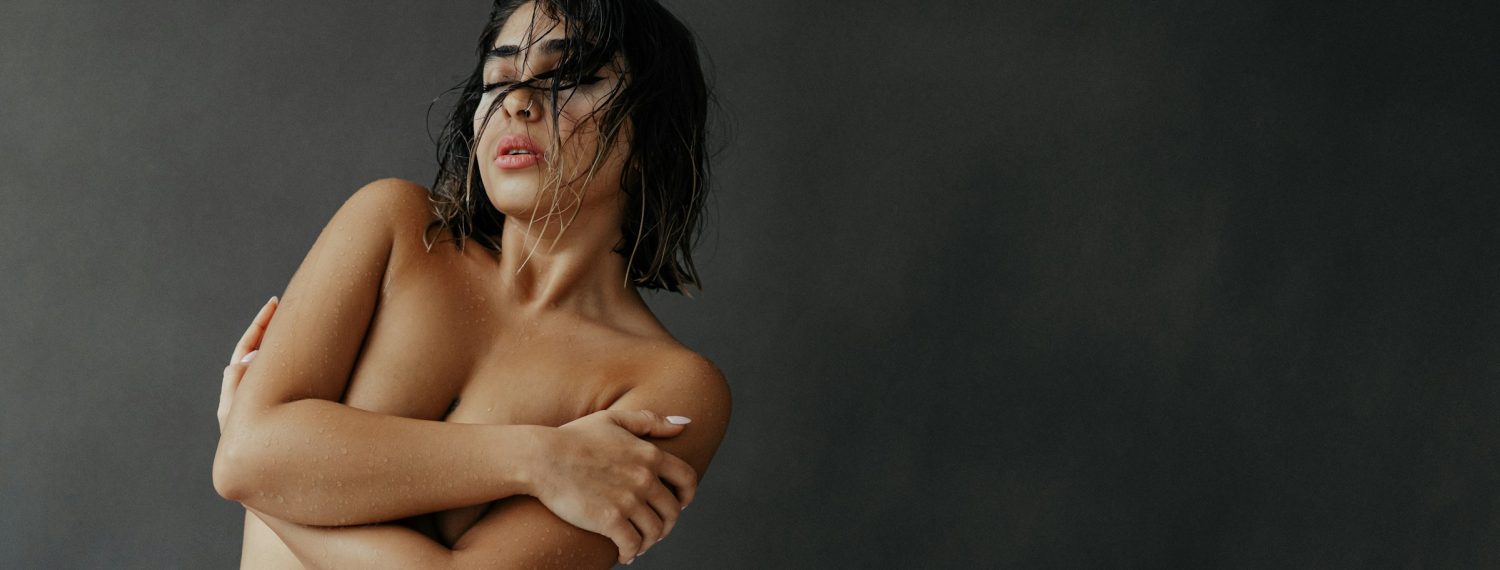
Explore how AI-powered digital art tools are revolutionizing artistic expression while addressing ethical considerations in AI-generated nude imagery.
Introducing AI-Generated Nude Art: A New Frontier in Digital Creativity
The intersection of AI-powered digital art and human representation has given rise to a fascinating new creative landscape. With advancements in generative AI for art‚ artists and creators can now produce hyper-realistic digital sculptures and AI-generated human figures with unprecedented precision. Among these innovations‚ AI nude art generators stand out as a powerful tool for pushing artistic boundaries while sparking important conversations about AI art ethics.
Whether you’re an artist seeking inspiration‚ a designer exploring AI-generated human models‚ or simply curious about the possibilities of neural network-based artistry‚ this guide will walk you through how to leverage these tools responsibly and creatively.
How AI Nude Art Generators Work: From Prompts to Masterpieces
Modern AI art creation platforms utilize deep learning models trained on vast datasets of human anatomy‚ artistic styles‚ and digital textures. When you input a prompt—such as “a photorealistic AI model in a futuristic setting”—the system processes your request through a combination of deep learning in visual art and machine learning for imagery to generate a highly detailed output.
The best AI-generated nude art generators allow for fine-tuned adjustments‚ enabling artists to refine lighting‚ poses‚ and textures until the result aligns perfectly with their vision. This level of control makes them invaluable for AI-assisted artistic design‚ whether for conceptual art‚ fashion illustrations‚ or even AI-generated fashion models.
Practical Applications of AI-Generated Nude Art
The versatility of AI-generated human figures extends far beyond traditional art. Here are some key use cases where these tools are making an impact:
Fashion and Advertising
In the world of AI-generated human models in entertainment and advertising‚ creators use realistic AI avatars to design clothing‚ accessories‚ and visual campaigns without relying on human models. This approach eliminates logistical challenges while allowing for endless customization‚ from AI-generated human likenesses to AI-generated body simulations that mimic real human proportions.
Digital Humanism and Virtual Avatars
The rise of virtual human generators has opened doors for immersive experiences in gaming‚ virtual reality‚ and digital storytelling. AI-generated human figures in gaming can now be tailored to fit specific roles‚ from characters in blockbuster titles to interactive avatars in metaverse environments.
Artistic Exploration and Concept Development
For artists experimenting with AI art innovation‚ these tools serve as a playground for testing new ideas. Whether it’s creating AI-generated body art or exploring abstract AI-generated human anatomy studies‚ the possibilities are limited only by imagination.
Educational and Anatomical Research
In fields like medical illustration and anatomical studies‚ AI-generated human anatomy can provide detailed‚ non-biased representations for educational purposes‚ helping students and professionals visualize complex structures with clarity.
Navigating Ethical Concerns in AI-Generated Nude Art
While the potential of AI-generated nude imagery is undeniable‚ it also raises significant AI art ethics questions. The most pressing debates revolve around:
Consent and Representation
One of the most critical aspects of AI-generated human likenesses is ensuring that no real individuals are depicted without their consent. Unlike traditional photography or modeling‚ AI-generated human figures can create lifelike representations without any human involvement‚ which raises important questions about AI and consent issues. Ethical creators must prioritize transparency‚ ensuring that their work does not exploit or misrepresent real people.
Misinformation and Deepfake Risks
The advent of deepfake art tools has introduced new challenges‚ particularly when it comes to AI-generated human representations in media. The ability to create realistic AI renderings of people in fabricated scenarios can lead to deepfake controversies‚ impacting privacy‚ reputation‚ and public trust. Artists and platforms must implement safeguards to prevent misuse.
Copyright and Intellectual Property
The legal landscape surrounding AI-generated human portraits and AI-generated body art is still evolving. Questions about AI art and copyright law‚ ownership of AI-generated content‚ and the rights of creators who train these models are complex and require careful consideration. Some platforms are beginning to establish guidelines to address these concerns‚ but clarity remains a work in progress.
Cultural Impact and Representation
As AI-generated human figures become more prevalent in media‚ there’s a growing discussion about AI and cultural impact. How do these tools shape perceptions of beauty‚ diversity‚ and human form? Ethical creators must strive to ensure that their work reflects inclusivity and avoids reinforcing harmful stereotypes.
Best Practices for Ethical AI Nude Art Creation
To harness the power of AI-generated nude art responsibly‚ artists and creators should adhere to the following principles:
- Prioritize Consent and Authenticity: Avoid creating or distributing AI-generated human likenesses that could be mistaken for real individuals. If using real people as references‚ ensure explicit consent is obtained.
- Transparency in Creation: Clearly label AI-generated content to distinguish it from human-created work. This builds trust with audiences and aligns with AI art authenticity standards.
- Respect Privacy and Boundaries: Avoid generating AI-generated erotic art or AI-generated adult content that could harm individuals or violate privacy rights. Ethical guidelines should govern the use of sensitive imagery.
- Stay Informed About Regulations: Keep up with evolving AI art regulation and industry standards to ensure compliance with local and international laws.
- Encourage Creative Autonomy: Use AI-driven creative software as a tool to enhance‚ rather than replace‚ human creativity. The best results often come from a collaboration between AI and artist.
Experience AI-Generated Nude Art Firsthand
Ready to explore the possibilities of AI-generated human figures? Many platforms now offer free trials or demo versions of their AI-generated nude art generator. Here’s how you can get started:
- Upload Your Reference Image: Begin by selecting a high-quality image or providing a detailed prompt to guide the AI. This helps the system understand the style‚ proportions‚ and context you’re aiming for.
- Customize Your Creation: Adjust settings like lighting‚ pose‚ and background to refine the output. Some tools also allow for style transfers‚ blending your reference with artistic filters for unique results.
- Review and Refine: Evaluate the generated AI-generated human portraits and make further tweaks if needed. Iteration is key to achieving the desired outcome.
- Export and Share: Once satisfied‚ download your creation in high resolution. Many platforms also offer options to share your work directly to social media or artistic communities.
Whether you’re experimenting with AI-generated body art‚ designing AI-generated human sculptures‚ or exploring AI-generated human anatomy‚ these tools empower you to push the boundaries of digital art while maintaining ethical standards.
The Future of AI-Generated Nude Art: Trends and Innovations
The field of AI-generated human representations is evolving rapidly‚ with exciting trends emerging on the horizon. Here’s what to watch for:
- Enhanced Realism: Advances in photorealistic AI models will continue to blur the line between digital and physical‚ making AI-generated human figures even more lifelike.
- Interactive and Dynamic Content: Future AI-generated human avatars may incorporate real-time interactions‚ allowing users to manipulate poses‚ expressions‚ and environments dynamically.
- Greater Emphasis on Ethics: As AI art trends evolve‚ so too will the focus on ethical guidelines‚ ensuring that these tools are used responsibly and inclusively.
- Integration with Virtual and Augmented Reality: AI-generated human figures in media will play a larger role in immersive experiences‚ from virtual try-ons in fashion to interactive storytelling in VR.
As technology advances‚ the potential for AI-generated nude art to inspire‚ educate‚ and challenge will only grow. The key lies in balancing innovation with responsibility‚ ensuring that these tools serve as a force for positive change in the art world.
Final Thoughts: Embracing AI in Art with Responsibility
The advent of AI-generated nude art generators represents a pivotal moment in the history of digital creativity. These tools offer unparalleled opportunities for artists‚ designers‚ and creators to explore new forms of expression‚ but they also come with significant ethical responsibilities.
By approaching AI-generated human figures with creativity‚ transparency‚ and a commitment to ethical standards‚ we can harness the full potential of AI-powered digital art while minimizing risks. Whether you’re a seasoned artist or a curious beginner‚ experimenting with these tools—mindfully and responsibly—can lead to groundbreaking discoveries in the world of digital art.
The future of AI-generated nude art is bright‚ but it’s up to us to shape it in a way that honors both innovation and integrity.




Leave a Reply
You must be logged in to post a comment.